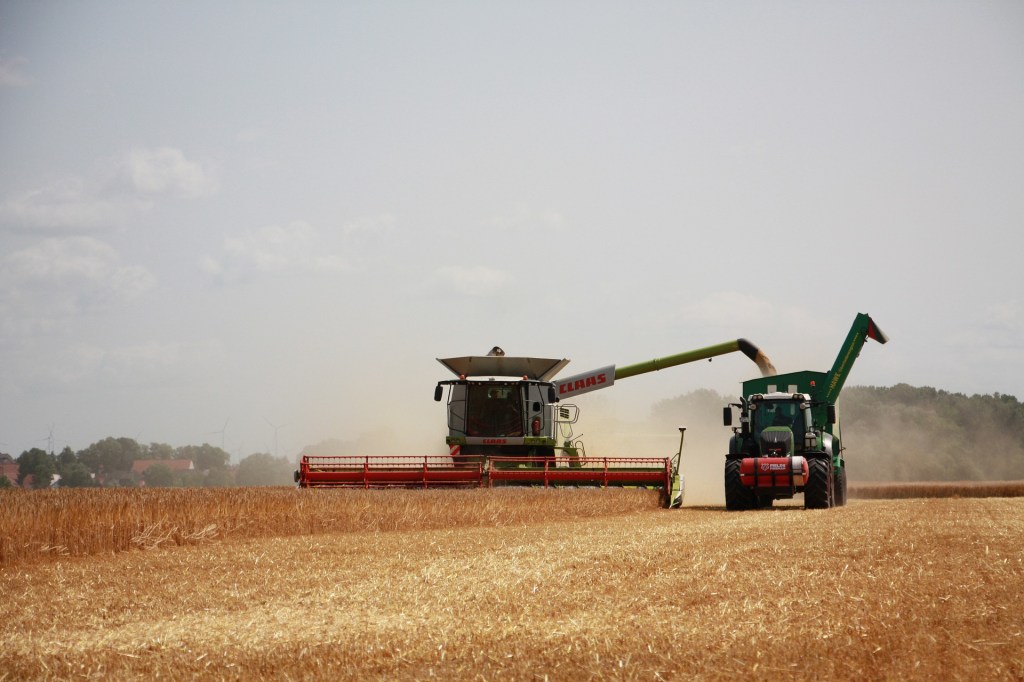
Whether you are interested in circular economies, ecological footprints, or just total GHG emissions, agriculture is a large part of the sustainability conversation. Many are aware, I believe, of the impacts of agriculture on total water consumption. That’s also the case with fertilizer runoff and the negative effects of overly nutrient-rich waters causing algal blooms via eutrophication. I can imagine if you are here, that is not a conversation we have to have (correct me if I am wrong). Navigation through these ideological minefields can be harsh the more we know about the negative effects, though. This puts a ton of strain on the social relations of those who care and a knock-on effect of this is that one’s influence becomes smaller, making echo chambers of people that all agree that others should listen to them. I intend to help with this issue in a small way here.
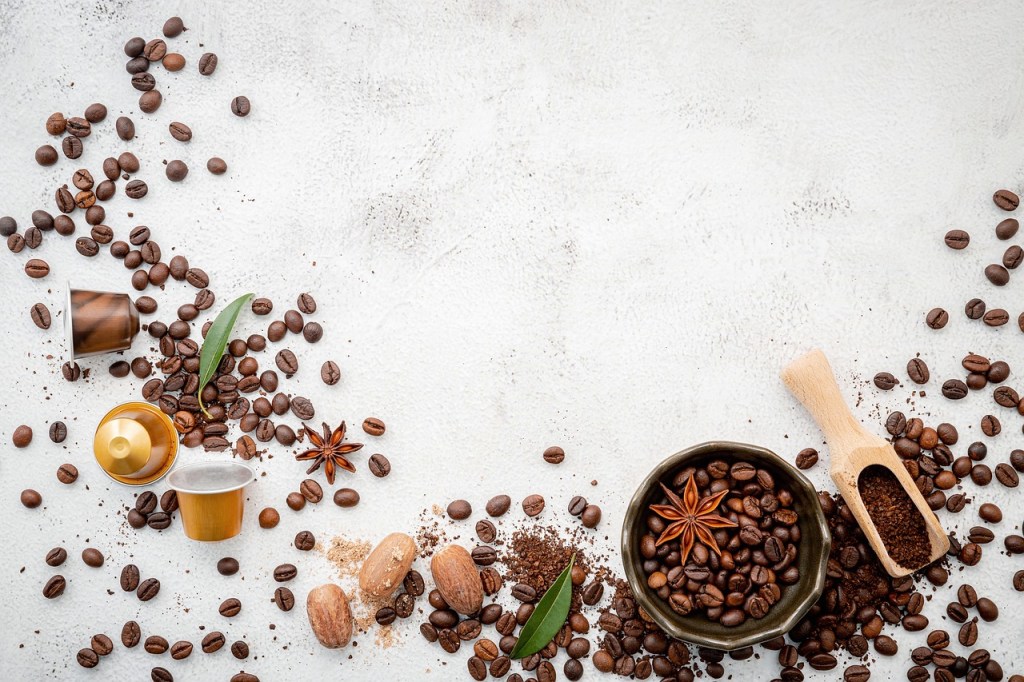
How Coffee is Part of the Conversation
Coffee has a few pain points for those who are environmentally conscious. Below is a non-exhaustive, but hopefully comprehensive list of these points:
- Shade-grown versus sun-grown
- Polyculture versus monoculture farms
- Ownership and worker population of the farm
- Wages and trade agreements with distribution
- How packaged, shipped, and prepared
For this post I will unfortunately not be able to delve into each topic, but instead take an approach that is helpful on a personal level. In this I fall back on a belief I’ve taken throughout my sustainability journey: approach a topic from an everyday perspective. Every day, people drink coffee and will most likely continue to do so. And so, of the above points, the one that most people can tackle daily is how it is packaged, shipped, and prepared. Focusing on the preparation.
To not make light of the issue, though, let us walk through the issues succinctly.
Shade-grown is simply a status showing that coffee was grown with natural tree canopy shade rather than sun-grown. This method reduces erosion, promotes biodiversity, and has several other benefits versus sun-grown which is simply more efficient at growing a coffee bean short-term.
Polyculture farms – also listed under many buzzwords – are those that typically introduce shade-grown, but go steps further to rotate crops, ensure variety in biological aspects of the environment, and overall promote a healthier long-term ecosystem for all communities in the area.
Ownership and worker population details if it is woman-owned, or if (this is terrifyingly common) child labor is involved. There are more aspects to ownership, but that is its own conversation on sustainability.
Wages and trade agreements with distribution are often done through alliances like the Global Coffee Alliance formed between Starbucks and Nestle. If you know anything about Nestle’s history, I need not say more. There are non-evil ones, but all have unique pressures on either the cost or farmers. Remember: if it is not affordable it cannot be sustainable in a holistic view.
Now, onto packaging, shipping, and preparation and why even that is difficult to navigate
Yes, you can purchase from specific coffee companies (if they are available/affordable within your area, or get it shipped), but the regulations on what is fairtrade, shade-grown, and owner-operated may not all be as transparent as it would seem. Even B Corp status, for years thought to indicate a decent firm, is not something to blindly trust as seemingly everything is riddled with misinformation. This is why the next section will give some easy tips to get that caffeine fix with as many heuristic tricks as possible to ensure sustainability. Do not despair, it gets easier.
Drinking Coffee Without Feeling Bad
Before I give a list of simple do’s and don’ts of drinking coffee, I would like to formally permit you to not drink it. It’s a brown liquid that can cause terrible harm to the people of the planet and gives benefits one can find elsewhere. If you wish to refuse coffee it may impact your social/professional life. I understand that, and that is why you can also reduce your coffee intake. That being said, I also understand we are all creatures of habit living in worlds insulated from different perspectives that also echo judgments back to us. It’s okay if you drink coffee, here’s how to do it in a better way.
DO
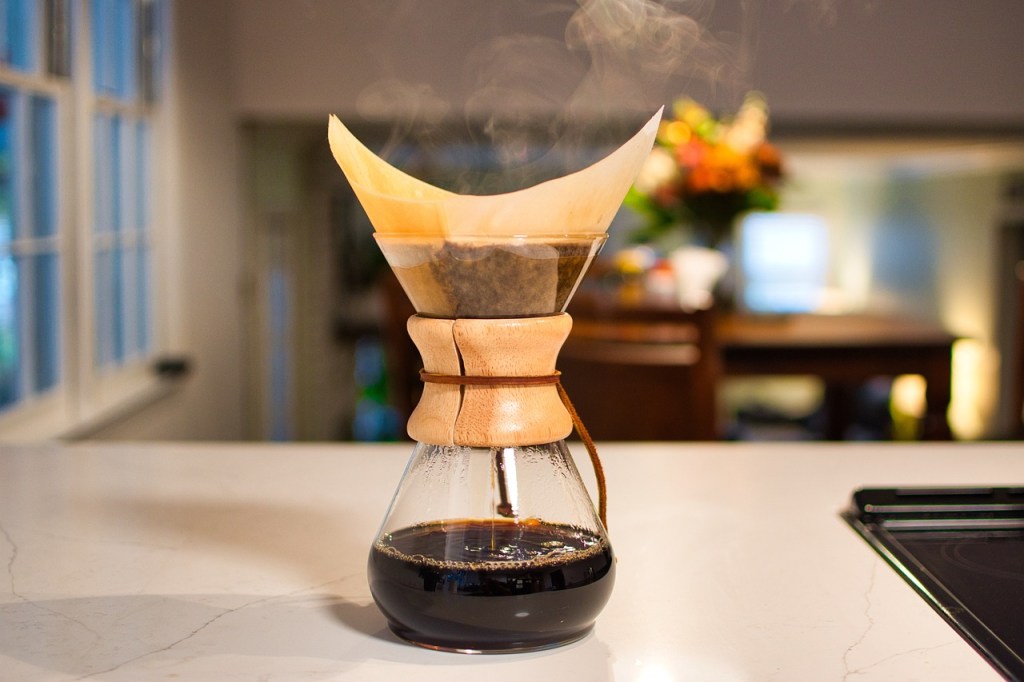
- Drink Drip/French Press/Pour Over
- Purchase Non-Bleached/Reusable Filters
- Purchase Beans From Local Roasters
- Brew at Home
- Bring Your Own Mug When Out
- Recycle Used Coffee Grounds
DON’T
- Buy Espresso Drinks
- Buy Cold Drinks
- Use K-cups/Pods
- Use Plastic Cups
- Add Creamers
Hopefully this helps determine where and how you plan to get your next cup, or if you even need it at all. Me, personally? I still indulge regularly and would love to give it up entirely. Maybe that’s a goal for this year.
Oh, and you may be questioning this, and that’s good! Please do. I want to make it clear this is a culmination of knowledge, but not a literature review. Like I said earlier in this post: misinformation is rampant. I intend to have more posts on this subject as I realized very quickly it will require several segments. If you have specific questions for me please reach out as I would gladly go into more detail. Be safe, be well.
 SixR
SixR 
Leave a comment